What should you measure in your small business to drive growth?
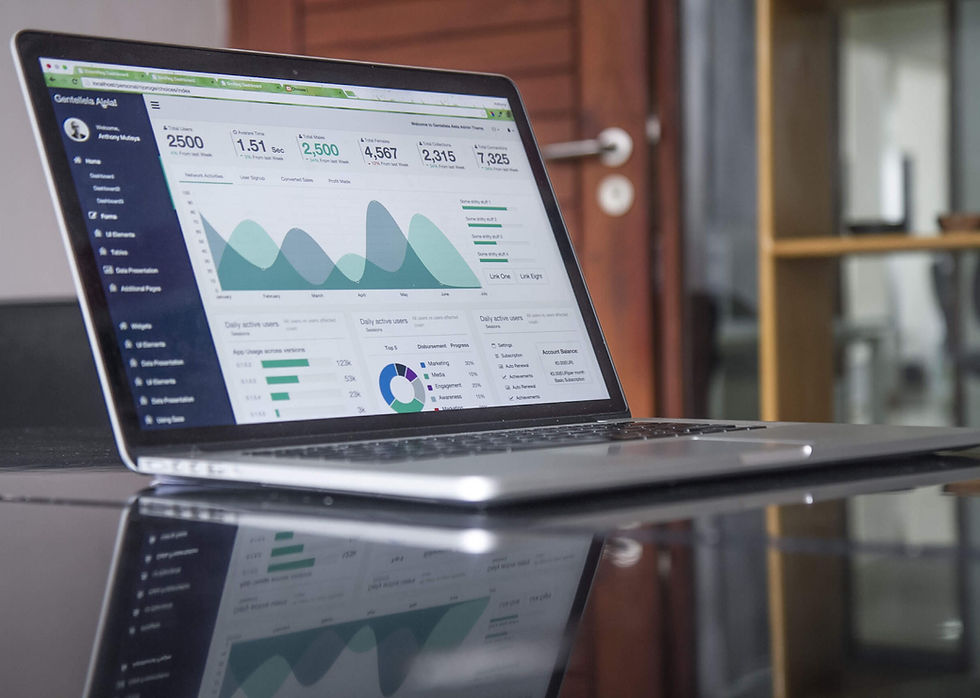
If you’re not tracking the right things in your business, you’re effectively running it blind.
Many small business owners are busy, working hard, and investing time and money into marketing, but without clear visibility on what’s working, it’s difficult to grow consistently.
This is often a sign that the business lacks a clear strategy underpinning its activity - how to create a clear business vision that drives growth is a good place to start.
The key isn’t tracking everything.It’s focusing on the metrics that actually drive growth.
Because if you can’t measure it, you can’t manage it.
Why measurement matters more than you think
A common pattern in small businesses, particularly those growing quickly ,is handing over marketing to someone else:
a freelancer
an agency
or even just “giving it a go” without structure
But often, the business owner has very little visibility on:
where leads are actually coming from
what’s driving website enquiries
which activity is generating revenue
This creates a disconnect.
Marketing becomes something that’s happening, rather than something that’s being managed.
It's one of the key reasons business coaching can be more effective than outsourcing your marketing because without strategic oversight, activity rarely delivers consistent results.
And without clear measurement, it’s almost impossible to:
improve performance
make confident decisions
or understand your return on investment
Common mistakes when tracking business performance
When businesses do start measuring, it’s often focused on the wrong things.
Tracking vanity metrics
It’s easy to focus on numbers that look good but don’t drive growth, such as:
social media likes
website traffic (without context)
followers
These don’t necessarily translate into leads or revenue.
Ignoring profit
Revenue is important, but profit is what actually sustains your business. Without visibility on costs and margins, you can be busy and growing… but not necessarily building a healthy business.
Focusing on activity, not results
Many businesses track what they’re doing:
number of posts
number of emails sent
marketing campaigns launched
But not what those activities are delivering.
Growth comes from outcomes, not effort alone.
The metrics that matter for small business growth
To grow your business effectively, you only need to track a small number of core metrics.
Leads
How many new enquiries are you generating? This is your pipeline, your future revenue.
Conversion
How many of those leads turn into paying clients? This shows how effective your:
messaging
offer
sales process
really are.
Cashflow
What’s coming in, what’s going out, and when? Strong cashflow management gives you stability and control, particularly in service-based and construction businesses.
Retention
Are clients coming back or referring others? Retention is one of the most efficient ways to grow, and often overlooked.
A simple dashboard you can actually use
You don’t need complex systems or software to start measuring effectively. A simple monthly dashboard can give you the clarity you need:
Metric | Target |
Leads | 20 per month |
Conversion | 30% |
Revenue | £X |
From here, you can start to ask better questions:
If leads are low — is it a marketing issue?
If conversion is low — is it messaging or pricing?
If revenue is inconsistent — is it pipeline or retention?
This is where measurement becomes powerful it shows you where to focus.
Review, learn, improve
Tracking metrics isn’t just about collecting numbers.
It’s about creating a simple cycle:
Review – what’s happening?
Learn – what does it mean?
Improve – what will you change?
This is how you move from reactive decision-making to structured growth. And it’s what allows you to steadily improve your marketing ROI over time.
Frequently asked questions
What are the most important metrics for a small business?
For most small businesses, the key metrics are:
leads
conversion
cashflow
These give you a clear picture of both marketing performance and financial health.
How often should I track my business metrics?
Weekly or monthly is usually enough.
The key is consistency, not complexity.
Final thoughts
What gets measured gets improved.
If you don’t have visibility on what’s driving your business, it’s very difficult to grow with confidence.
If your business feels like it's working hard but not moving forward, why your business isn't growing and what to do about it explores the most common reasons why.
Start simple:
track a few key metrics
review them regularly
and use them to guide your decisions
Over time, this creates clarity, control, and more consistent results.
If you want support to understand what’s really driving your business, and how to improve it, get in touch to explore how we can work together.


Comments